
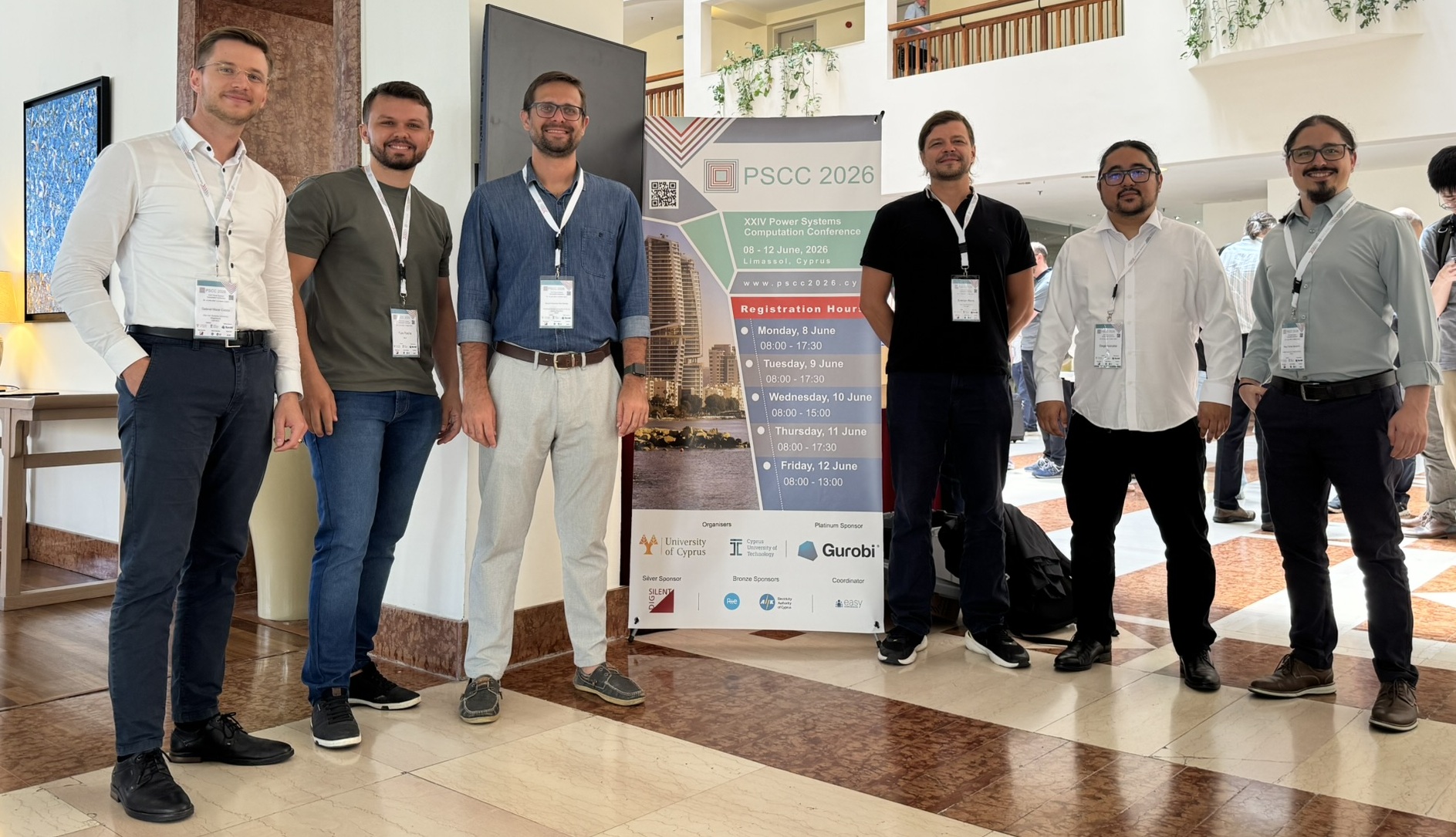
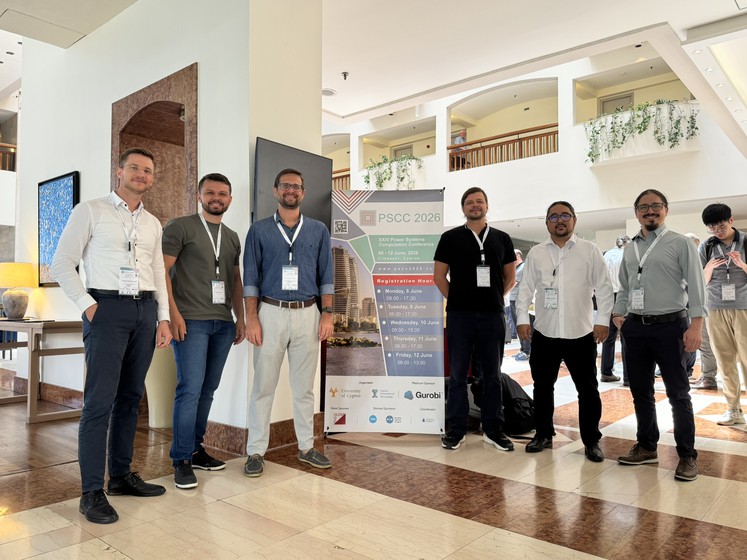
LENA at the PSCC 2026 in Limassol, Cyprus
The 24th Power Systems Computation Conference (PSCC 2026) took place from June 8 to 12, 2026, in Limassol, Cyprus. Organised by the University of Cyprus (UCY) and the Cyprus University of Technology (CUT), this prestigious biennial event, with an uninterrupted tradition dating back to 1963, brought together over 300 researchers, engineers, and industry professionals from around the world to exchange knowledge on recent advances in computational and theoretical methods for electric power systems. The conference covered a broad range of topics, from micro-grid to mega-grid applications, with particular focus on modelling and simulation, power system stability analysis, and decision-support methods for the operation and planning of future grids. Following presentation at PSCC 2026, all accepted papers are published in a special issue of Electric Power Systems Research (EPSR), a leading Elsevier journal indexed in Scopus and Web of Science.
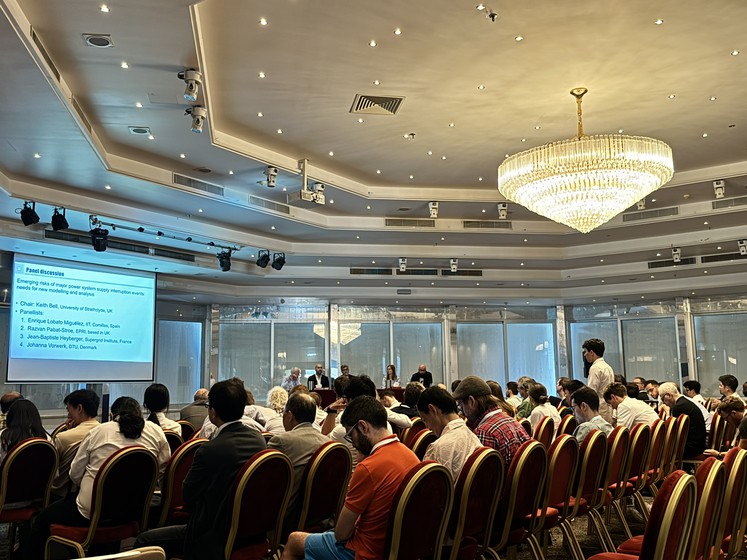
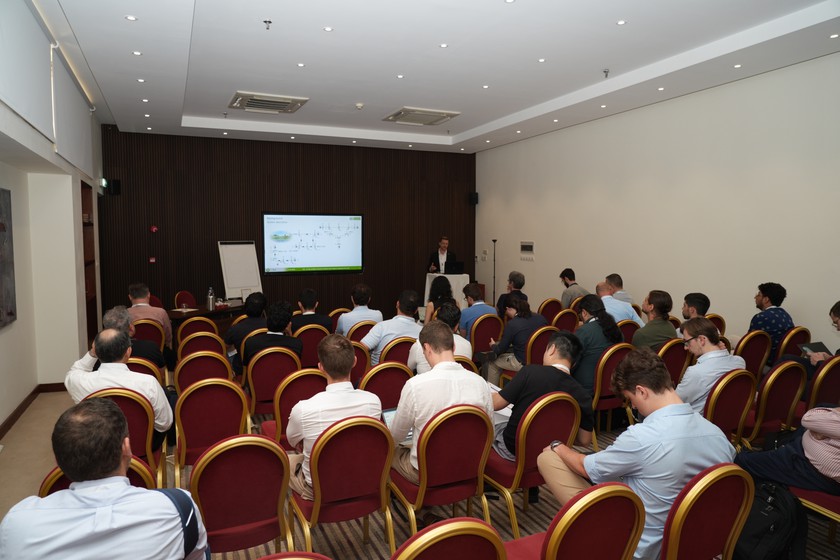
Gabriel M. Cocco represented the LENA Chair at PSCC 2026 with the scientific paper "DC Bus Ancillary Controller Enabling Fast Frequency Response from Fast Charging Stations," co-authored by Gabriel A. Salvatti, João P. S. Cipriani, Prof. Humberto Pinheiro, Prof. Martin Wolter, Prof. Cassiano Rech, and Prof. Maurício Sperandio. The work results from a collaboration between the Chair of Electric Power Networks and Renewable Energy (LENA) at Otto von Guericke University Magdeburg, the Power Electronics and Control Research Group (GEPOC), and the Center of Excellence in Energy and Power Systems (CEESP) at the Federal University of Santa Maria, Brazil.
The paper proposes a grid-forming (GFM) control strategy for fast charging stations (FCSs) equipped with battery energy storage systems (BESSs), enabling them to provide fast frequency response through local measurements of grid frequency by coordinating the use of the DC bus capacitors, without requiring communication infrastructure. High-fidelity electromagnetic transient (EMT) simulations and controller hardware-in-the-loop (C-HIL) validation using a commercial TMS320F28379D digital signal processor demonstrated the effectiveness and robustness of the proposed approach under different grid conditions. The results show that aggregated FCS units can make a meaningful contribution to reducing frequency deviations and supporting grid stability and resilience.
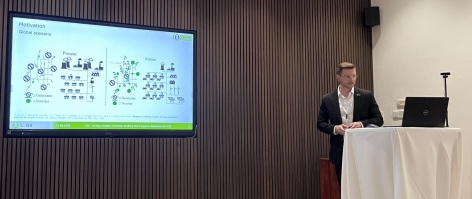
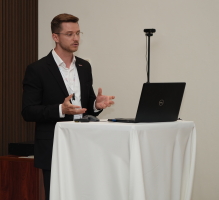
Figure 1: Gabriel M. Cocco during his presentation.
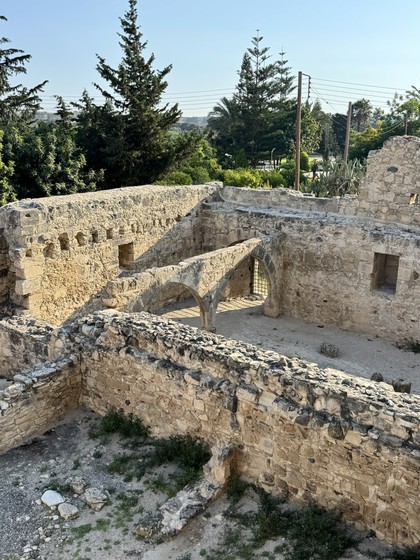
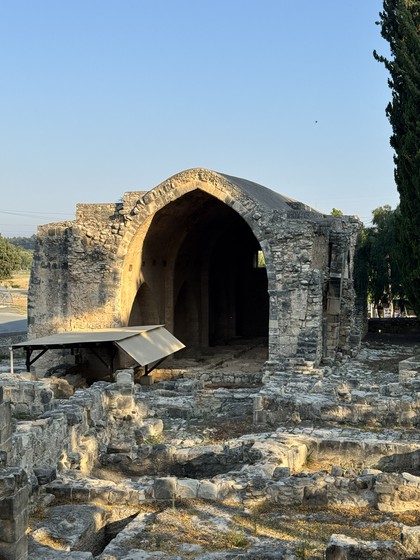
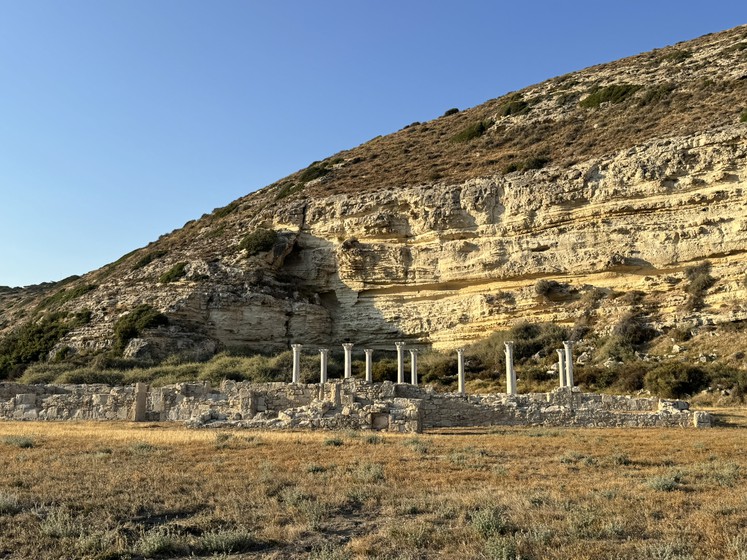
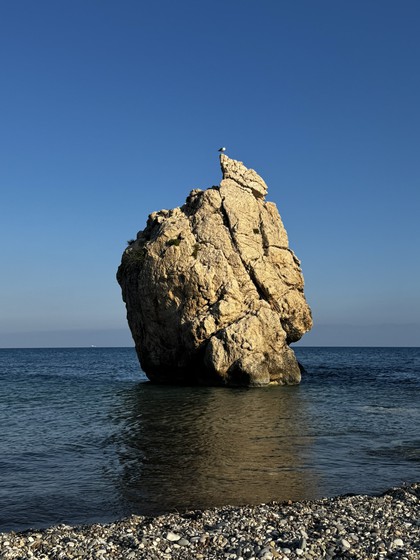
Limassol provided a unique setting for PSCC 2026. Located between the ancient kingdoms of Amathous and Kourion and known for its coastal atmosphere and wine-making tradition, the city complemented the scientific sessions with a welcoming environment for interaction among participants. The conference was hosted at the St. Raphael Resort, a five-star beachfront hotel that accommodated both the technical sessions and social events.
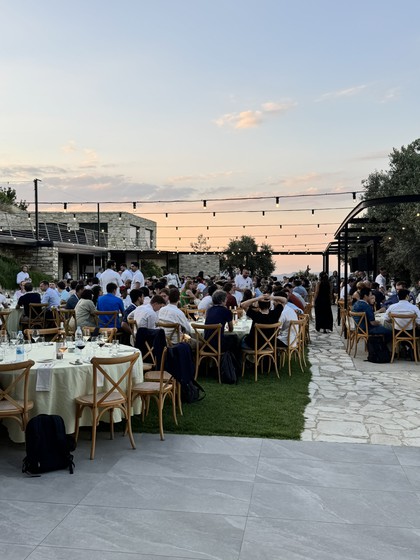
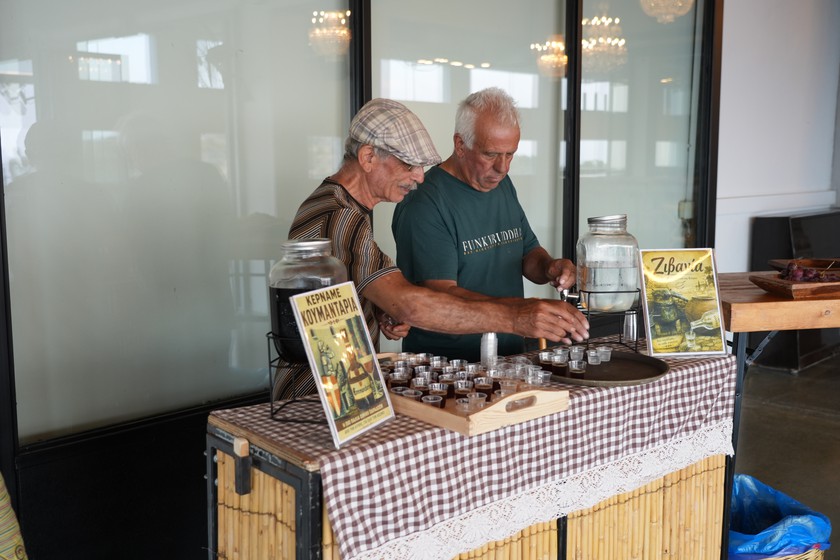
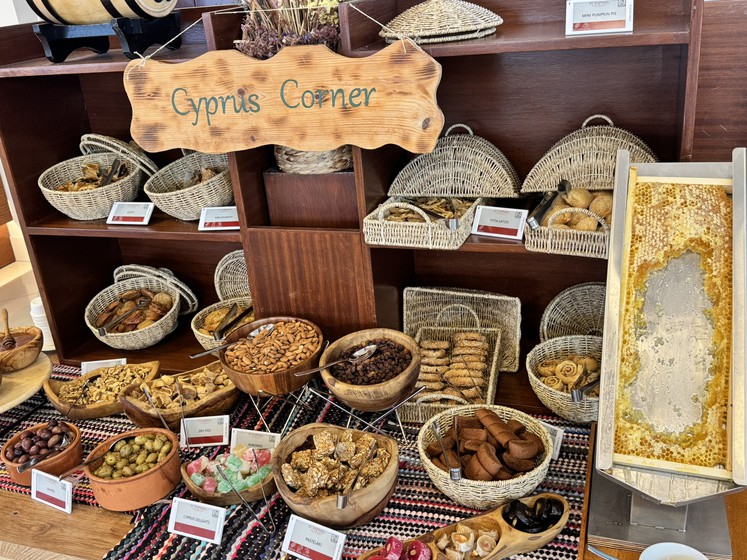
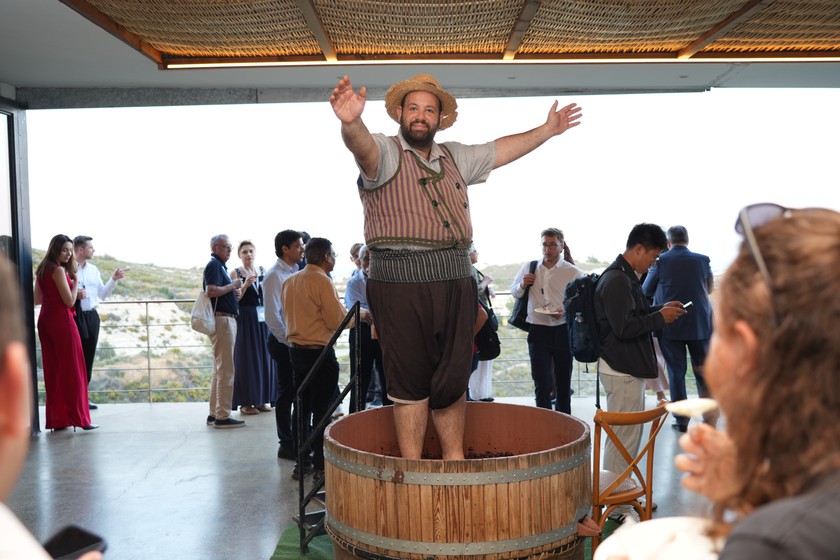
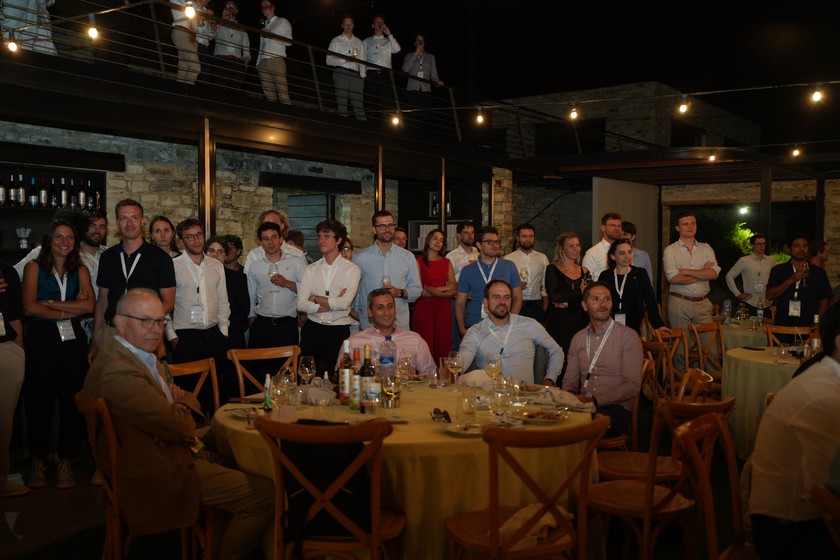
The accompanying social activities encouraged informal exchanges among participants and strengthened connections between researchers from different countries. They began on June 9 with a Welcome Cocktail at the hotel, followed on June 10 by a Mid-Conference Excursion through the historic centre of Limassol, including a visit near Limassol Castle. The social calendar culminated on June 11 with the Conference Dinner at the Dafermou Winery, where participants enjoyed traditional Cypriot cuisine, local wines, and cultural entertainment in a scenic vineyard setting.
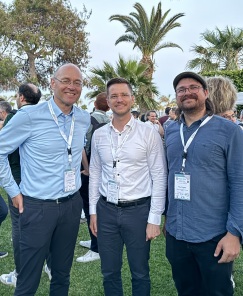
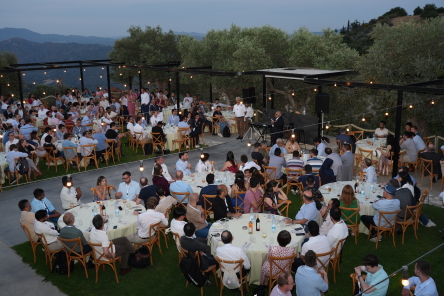
Figure 2: Conference Dinner at Dafermou Winery.
The LENA Chair expresses its sincere appreciation to the organizers of PSCC 2026, UCY and CUT, the PSCC Executive Board, and the Technical Program Committee for the excellent preparation and execution of the conference, as well as to EasyConferences for the smooth coordination of all logistics and social activities.
The Chair also acknowledges the valuable contribution of the co-authors from the Federal University of Santa Maria, Brazil, whose longstanding collaboration with the LENA group continues to generate impactful research outcomes. Special thanks are extended to Prof. Martin Wolter, now at TU Dresden, for his continuous scientific guidance and support.
Participation in PSCC 2026 highlights the LENA Chair’s commitment to developing innovative control solutions for converter-dominated power systems and contributing to a more resilient, secure, and sustainable energy future.